
On Think Tanks
I have a love-hate relationship with think tanks. How can we do better?

When I first arrived in Washington, D.C. in 2001, I desperately wanted to work at a think tank. It seemed to me to be the pinnacle of expertise—writing, opining, and convening on the issues most relevant to U.S.–Africa relations. Seventeen years later, I finally realized this ambition when I became the director of the Africa Program at the Center for Strategic and International Studies (CSIS). And I was good at it—or at least prolific: we published 114 reports, released 122 podcasts, and hosted dozens of public and private events in three years.
I soon discovered that while think tanks do many things well, they also miss the mark on core functions. Or, as my friend Todd Moss posted in August, they don’t know how to “get-sh*t-done.” Think tanks too often privilege what is popular over what is policy relevant. They cater to what people want, not what policymakers need. It was a mindset that I often fell into — patting myself on the back for earning clicks rather than driving change. That mismatch helps explain why think tanks often misread their influence with policymakers, and why policymakers, in turn, misunderstand how best to work with think tanks.
Giving the People What They Want
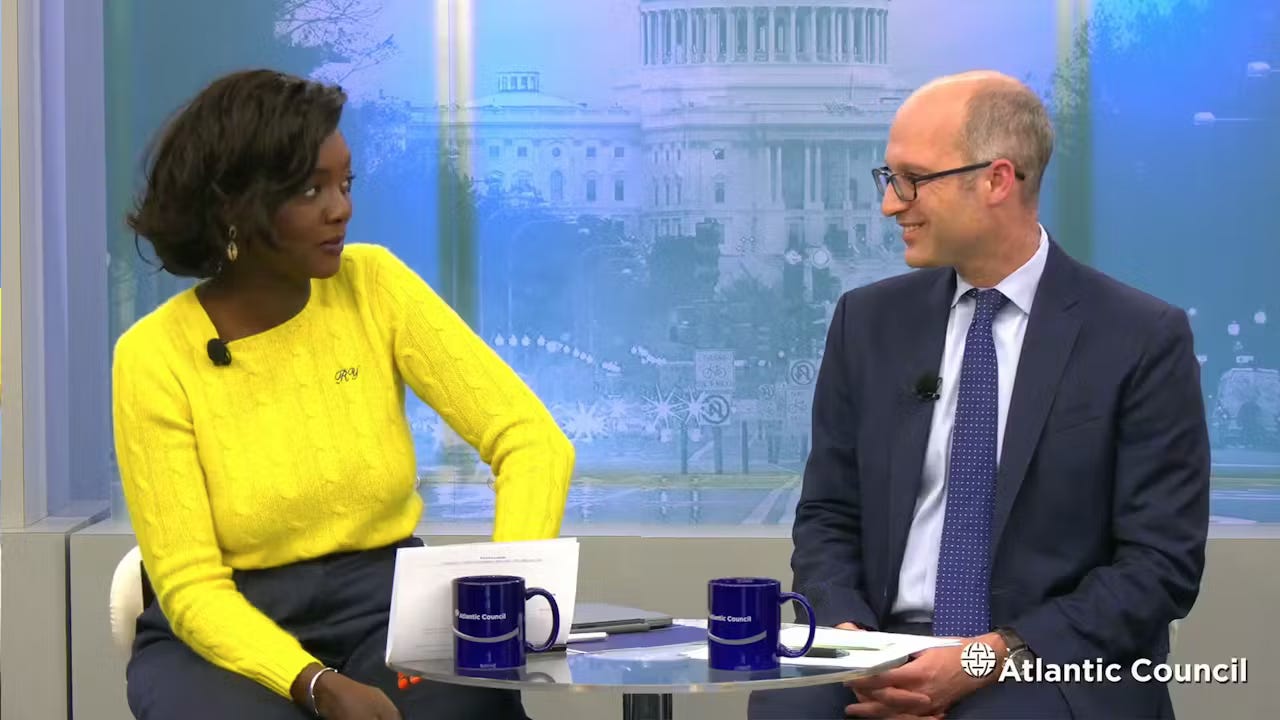
Have you ever read a think tank’s mission statement? It is pretty heady stuff. The Council on Foreign Relations is dedicated to “have impact on the most consequential issues facing the United States and the world,” the Carnegie Endowment for International Peace is committed to “help countries and institutions take on the most difficult global problems and advance peace,” and the Atlantic Council is determined to “shape a peaceful and prosperous future.” When I was at CSIS—and I’m still a (non-resident) senior advisor to the Africa Program—these lofty goals were not hyperbole or empty sloganeering. Our genuine ambition was to inform the policy conversation and contribute to more positive foreign policy outcomes.
And yet, I often found myself pulled by a different set of incentives—chief among them the lure of virality and elite validation, especially within the Washington beltway. Think tanks, like individuals, crave attention. Viral posts and videos are celebrated internally and upheld as models to emulate—recognition that I wanted for my own work. In hindsight, however, I think chasing public acclamation can hurt the output of think tanks.
Stating the Obvious. Much of what think tanks produce consists of explainers. They might be useful to the general public and generate a lot of views, such as our 2019 video on Ethiopia, but they rarely create new knowledge. Not all explainers are without merit. I have benefited from pieces that unpack President Trump’s tariffs or demystify the critical minerals sector. Still, most explainers tend to be dull and basic. They often are long, descriptive, and brimming with background information— as if written by an undergrad desperate to hit a minimum page requirement.
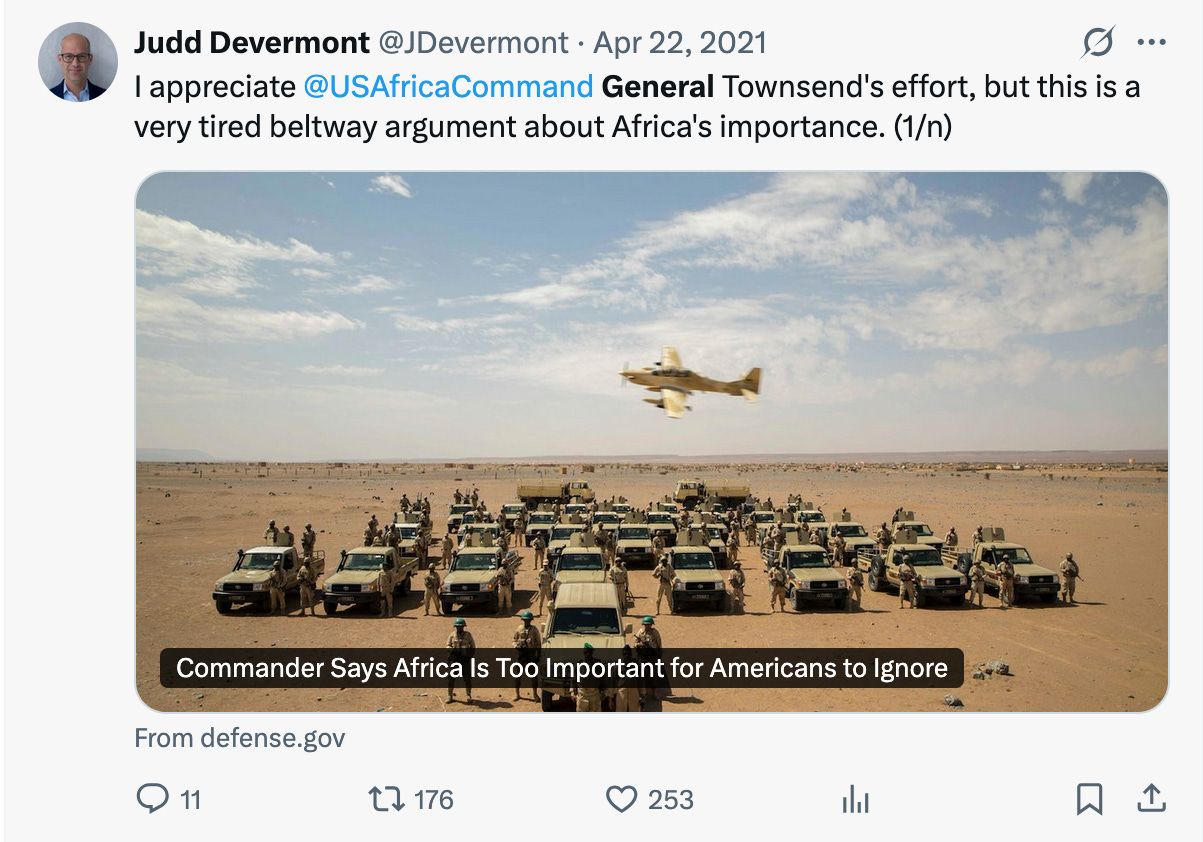
Giving Hot Takes. Think tank experts quickly learn that a biting quip will land them in the New York Times or earn them thousands of new followers on social media. It becomes intoxicating, spending your time crafting put-downs and acting as if you know better than everyone else. It also flipped my incentive structure, prioritizing hot takes over sound analysis. I became slightly obsessed with saying something clever, critical, and, sometimes, a little mean. The reality, however, is that snarky comments never produce better policies.
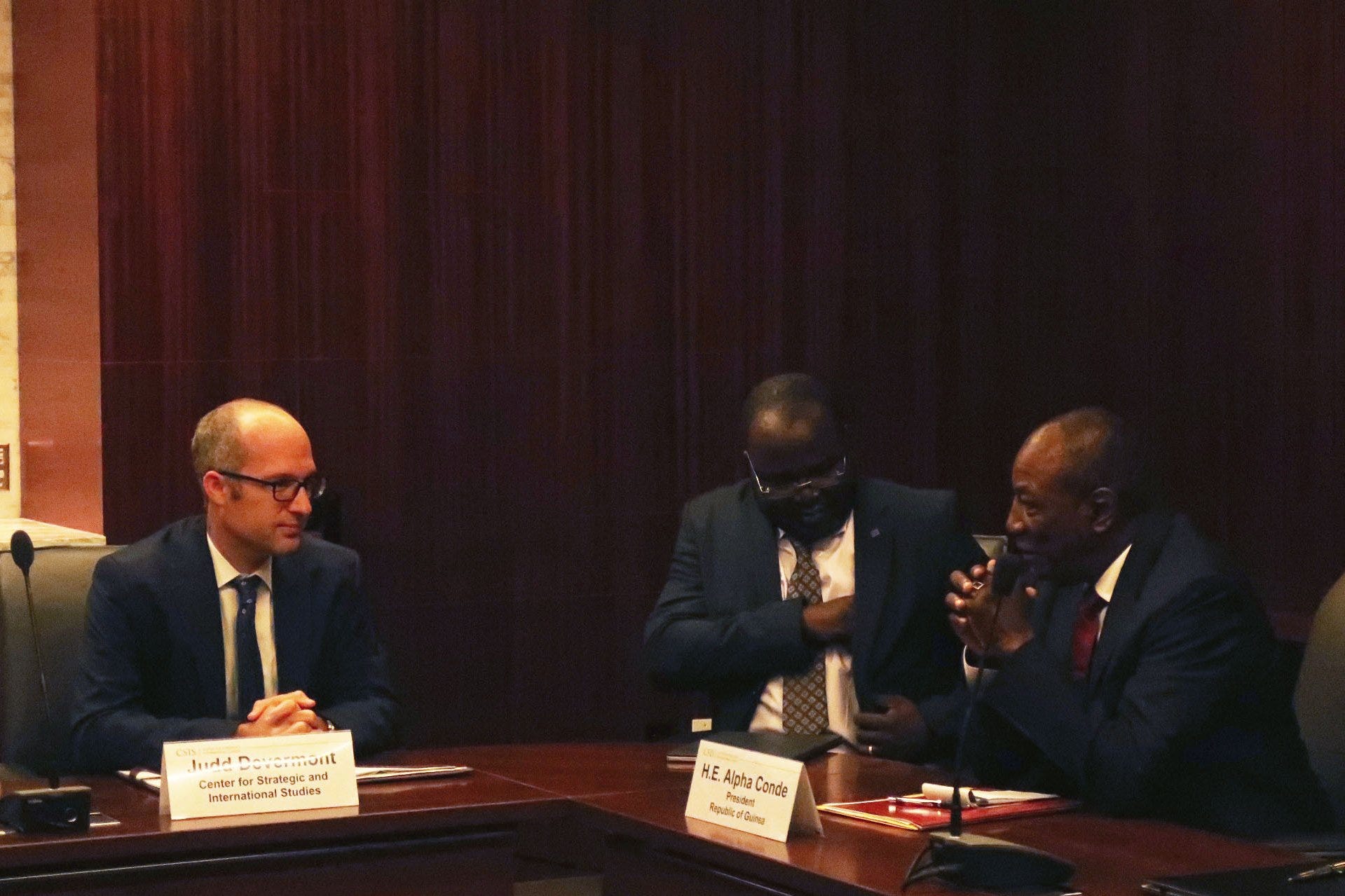
Lacking Substance. Even think tank events have their limitations. Like explainers and sarcastic tweets, these engagements tend to be popular with the Washington, D.C. crowd. People want to say they were “there” and snap a selfie with a visiting dignitary. Most panels are hardly edifying: too many speakers read from overly sanitized talking points and the Q&A section is painfully predictable. I quickly soured on these gatherings, although I admit my dislike might just reflect a personal preference: I don’t learn by passively listening to speakers at a podium. My experiences mirrored what Mort Abramowitz told a young Samantha Power: “these people speak so much and yet they manage to say so little.”
Giving Policymakers What They Need
For all their shortcomings, I have seen think tanks steer debates and generate the momentum needed to change policy for the better. It may be rare, but it is extraordinary when it happens. It is what think tanks are built for. It took me some time to understand the difference between publicity and policy impact — and even more time to figure out how to do it well.
Creating Safe Spaces. There is a special type of private event that isn’t about the visiting dignitary or celebrated thinker, but rather it is focused on working through a vexing policy problem or issue. The participants are usually peers, bringing different experiences and viewpoints to the table. And it is one of the few times where politics and institutional preferences are put aside — at least for a moment — and new ideas are introduced without fear or judgment. In these settings, it is not uncommon to witness the birth of a new policy consensus.
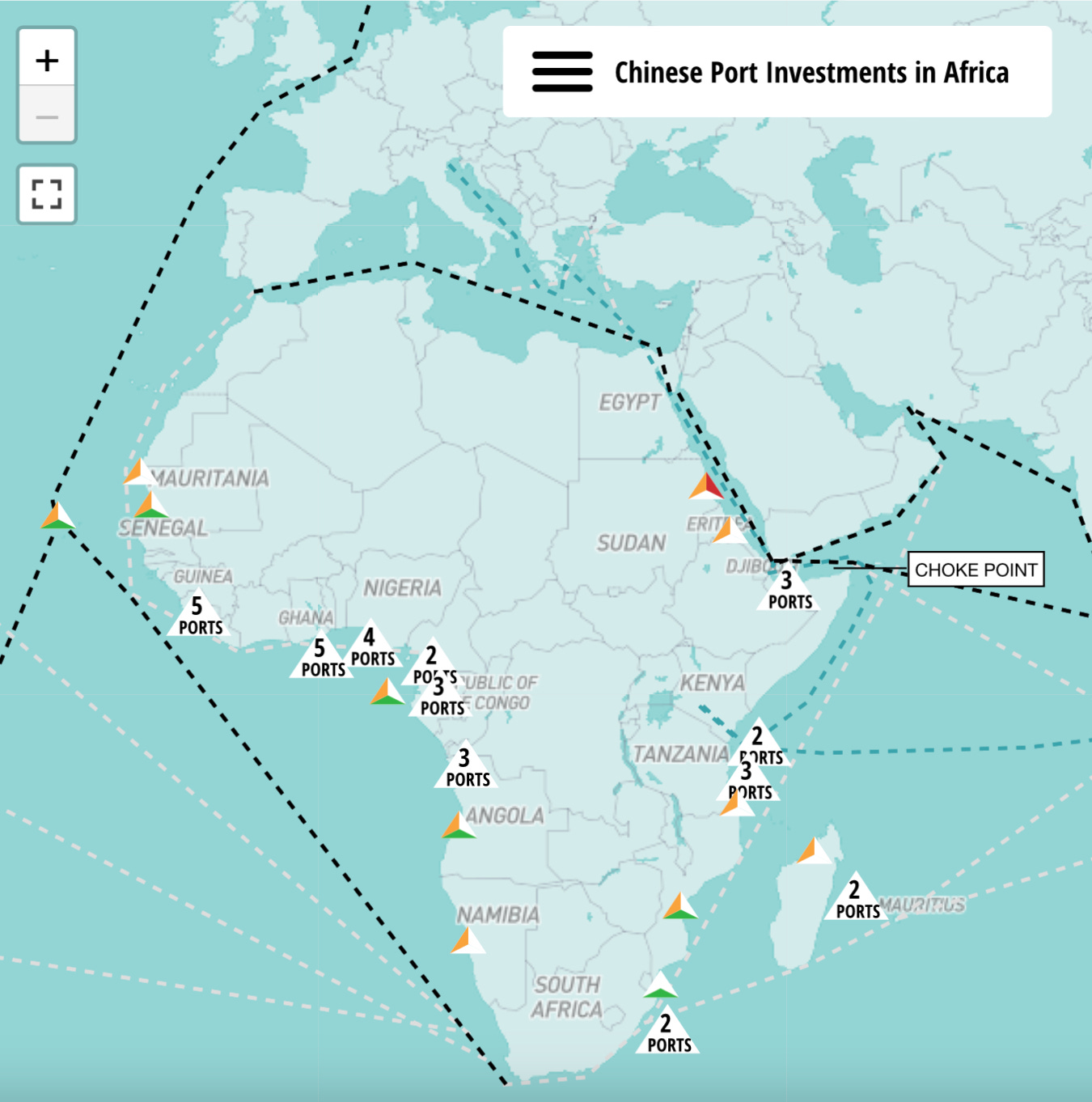
Delivering New Insights. The best think tank papers introduce new insights, not just present expert opinion. The Center for Global Development (CGD), for example, consistently produces important findings backed by data and research. It is why CGD tends to be one of my go-to sources for analysis on, say, the African Growth and Opportunity Act (AGOA) or the consequences of USAID’s dismantling. Much of my own work at CSIS leaned toward analysis and informed perspective, but we also sought to contribute new knowledge, including our report on Chinese port investments in Africa and our interactive on connections between U.S. cities and the continent.
Developing New Policies. The most important contribution from a think tank is a new policy idea. That’s what I craved most as a policymaker, and why I often urged think tank colleagues to move beyond criticizing U.S. policy—on Sudan, for example—and offer actionable alternatives. Zainab Usman, who built an exceptional Africa program at the Carnegie Endowment for International Peace before her recent departure, was quite accomplished at this. Her team published thoughtful ideas to advance U.S. policy; my government colleagues and I pored over her paper on how African countries could participate in U.S. clean energy supply chains.
A Productive Think Tank - Policy Relationship
U.S. officials generally view think tanks as an important part of the policy ecosystem. Too often, however, they approach them primarily as platforms to shape narratives, court opinion-makers, or sell existing policies. I did this myself. I participated in panels and connected with experts to explain what we were doing and hopefully win over some skeptics. I was seeking fanfare, not more friction.
There’s a better way. Policymakers should prioritize think tanks as sources for ideas and rigorous debate. When I was at CSIS, U.S. diplomats asked me to tackle the shortcomings of the Algiers Accords in Mali and embarked on a project evaluating the merits on focusing on counterterrorism in coastal West Africa over the Sahel. I was even asked if I could help raise awareness of retaliatory measures against Cabo Verde for arresting Venezuelan president Nicolás Maduro’s bagman Alex Saab in 2020.
Policymakers also can avail themselves of think tanks for track II diplomacy. This is a service many think tanks offer and do quite well, including the U.S. Institute of Peace (USIP) before its operations were disrupted by President Trump’s Executive Order. There are opportunities to tap think tanks to support strategic planning and anticipate emerging threats. My colleagues at CSIS’s International Security Program run wargaming and scenarios exercises to assist policymakers. They also offer courses in using tools such as AI, red teaming, and games for mid-to senior-level professionals. I am especially proud of our Africa Policy Accelerator, a professional network of more than 175 young U.S.-Africa policy, business, philanthropic, and thought leaders.
To be fair, I often did practice what I am preaching in this post. When I returned to government in 2021 to draft President Biden’s strategy toward Africa, I participated in private events at six different think tanks to share some of our initial ideas for the strategy and solicit feedback. In several cases, I modified language, adjusted tone, elevated certain ideas, and even rewrote one of the objectives. I also engaged a small group of think tank experts about our Zimbabwe sanctions program, which contributed to our decision to end the 20-year old sanctions program and replace it with a more targeted effort under the Global Magnitsky (GloMag) sanctions program.
Post-Strategy
I am convinced that think tanks are essential to the policy process. The U.S. government often is too insular, risk-averse, and bureaucratic to think big and implement new approaches. It needs fresh thinking—a service that think tanks can provide as long as they break themselves of their worst habits. The objective shouldn’t be clicks, it should be change. The measure of success is whether think tanks give policymakers what they need, not simply what audiences want.
Another classic calorie-free epiphany, well after the fact, from the self-annointed punditocracy who inhabit a hermetically sealed echo chamber. Lord Onan himself would be impressed by this blather.